
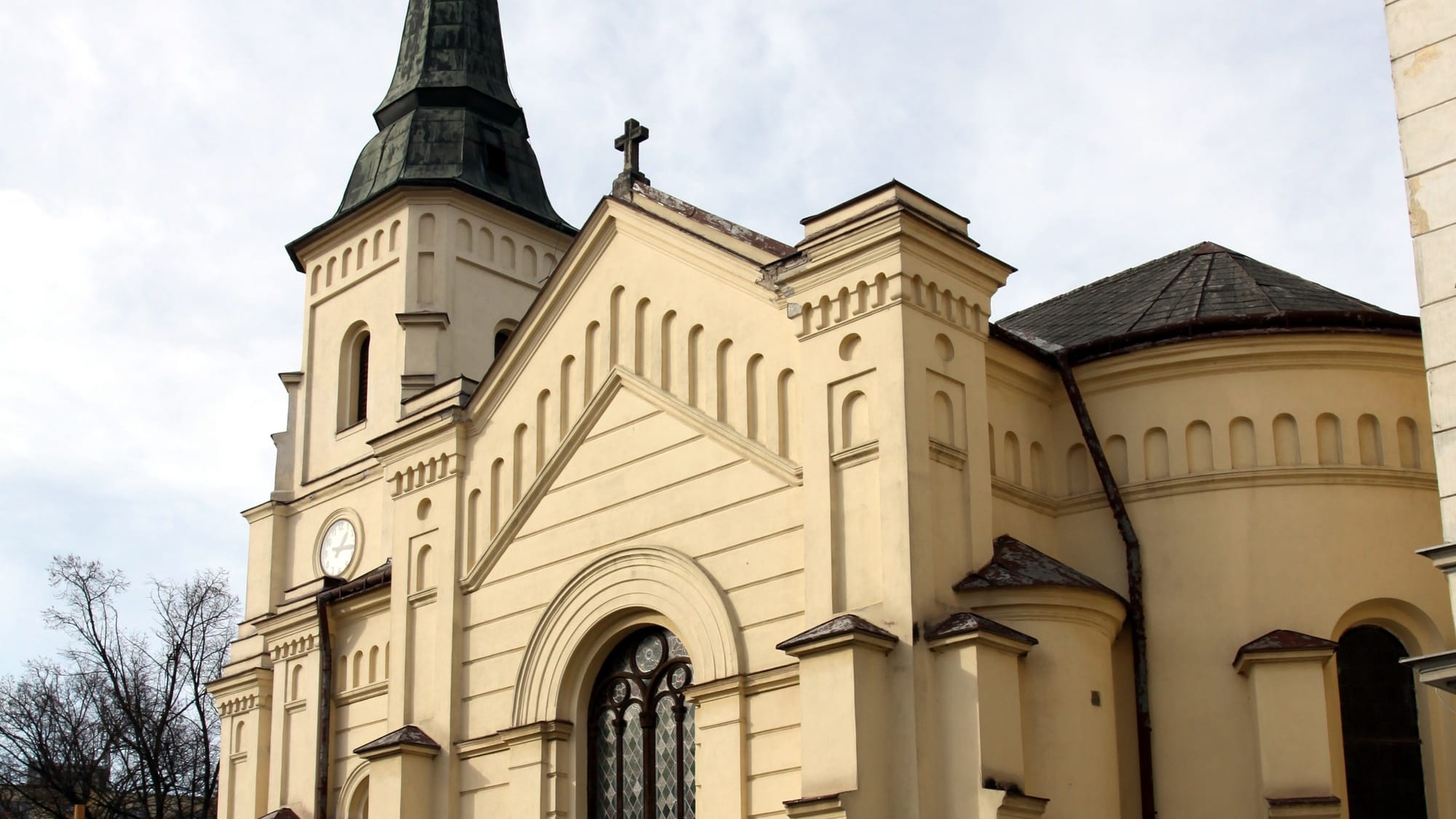
The Council of Církev bratrská (CB) — the Church of the Brethren in the Czech Republic — held two meetings in June 2026, addressing a wide-ranging agenda that included energy infrastructure for social care, pastoral appointments, theological education governance, and a joint session with the church's Slovak counterpart. The first meeting was held in Prague on 8 June, and a two-day joint session with Slovak church leaders followed at Kaštieľ Antonstál, Slovakia, on 22–23 June.
CB is the Czech member of the International Federation of Free Evangelical Churches (IFFEC) and one of the larger Protestant denominations in the historically secular Czech Republic. Its partnership with the Církev bratrská in Slovakia reflects the shared history of the two churches prior to the dissolution of Czechoslovakia in 1993, and the council meetings demonstrate a sustained effort to maintain and deepen those ties through practical cooperation in pastoral training, theological education, and church planting.
Among the notable decisions from the Prague meeting, the Council gave its unequivocal support to an energy optimisation project at the Bethesda seniors' home operated by Diakonie CB, which drew a state subsidy of 3.9 million Czech koruna. The project is linked to construction of a new pavilion at the LRS Chvaly care facility, slated for completion by March 2028. Several pastoral appointments were confirmed across multiple congregations, study leaves were approved for five pastors, and the Council appointed Bronislav Matulík and Vojtěch Furák to the Evangelical Theological Seminary (ETS) School Board for three-year terms. The Council also formally concluded visitations for three congregations after verification of their financial audits.
The joint Czech-Slovak discussions produced several milestones. The Slovak delegation reported that its 2026 annual conference marked two historic firsts: the first woman to serve in the conference presidium and the first Roma pastor to be ordained within the denomination. The two councils agreed to collaborate on a joint study initiative examining the churches' relationship to the Bible — a topic of shared contemporary relevance in Central European Protestantism. They also committed to sharing experience with the "network" church model, which has shown promise in Czech contexts such as the Vsetín–Maják congregation, and agreed to regular videoconference meetings between the two councils, Slovak vicar participation in Czech pastoral training, and continued cooperation on the ETS Bible School in Ostrava.
(Originally published in Czech. Summary translated by CC / Connexion.)
Source: Církev bratrská / Brána — portal.cb.cz


