
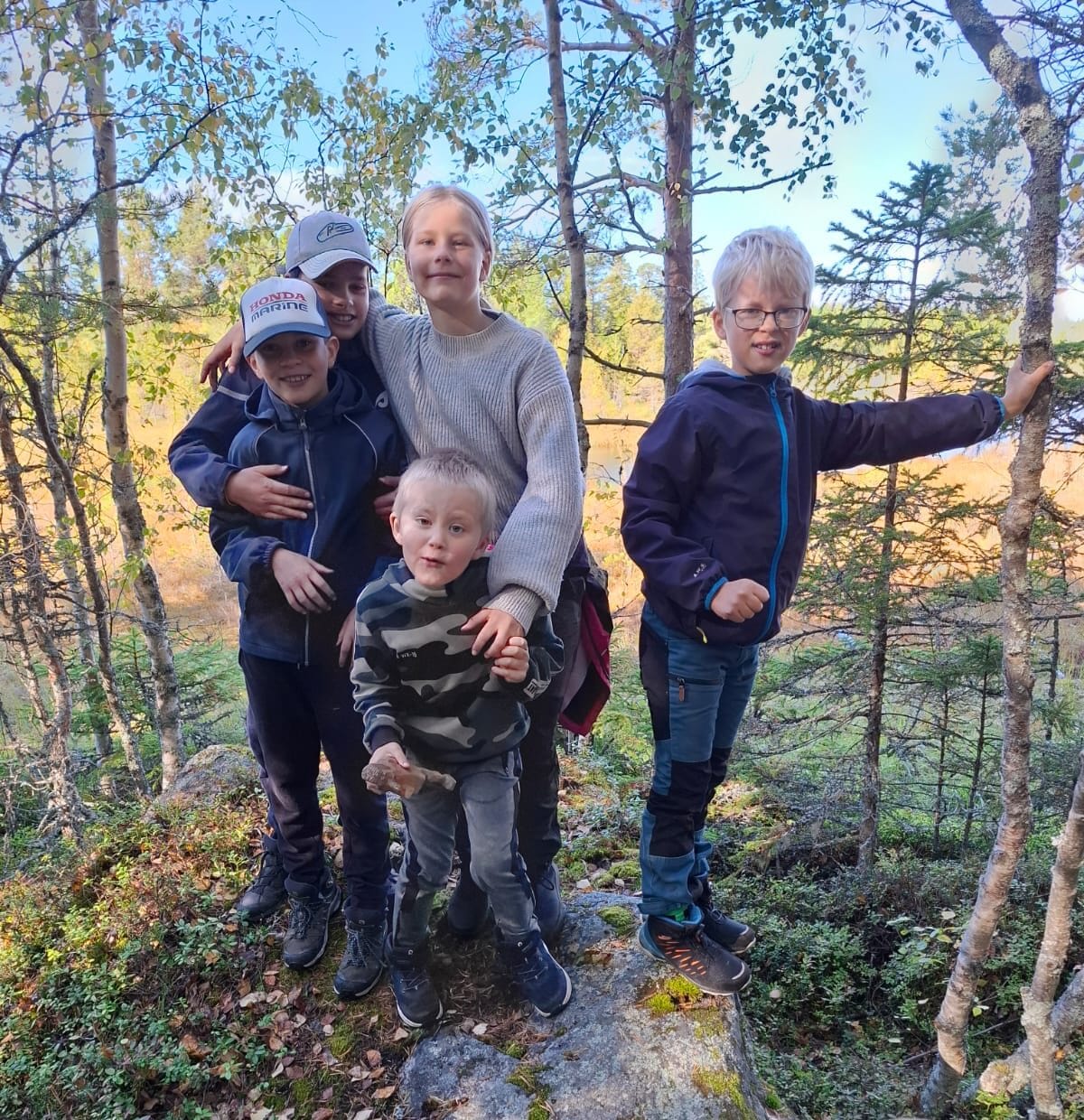
For the Gädda family in Finland, the school day begins at the kitchen table. Mats and Jenny Gädda have taken responsibility for the education of their four children — Ester, 12, Emanuel, 9, Samuel, 7, and David, 4 — starting each morning with exercise, a short devotion and breakfast before the older children turn to mathematics or their mother tongue.
The decision rests on two convictions, the family explains in an interview with Missionskyrkan Finland: a belief that parents are answerable to God for their children's upbringing, and a wish for more freedom in family life. It was Mats who first began thinking about home education after meeting people who had been taught at home and had done well later in life. Jenny was considerably more hesitant, unsure whether she could manage and worried about the children's social needs.
Finnish law allows the arrangement. The country has compulsory education but not compulsory schooling: guardians may choose home education without applying for permission, provided the child acquires knowledge corresponding to the basic education syllabus, and the municipality must follow the child's progress. The Gädda children usually meet the teacher who monitors their development about once a year; the parents are so positive about the oversight that they would like two or three meetings a year for more professional feedback.
Teaching is built largely on textbooks the family has bought or inherited, with screen time kept deliberately low. The children take courses at the Närpes adult education institute in subjects from orienteering and athletics to skiing, piano, violin and art, and once a week the family meets other home-schooling families. Jenny describes the hardest part as teaching while settling quarrels between siblings — sometimes having to be both "police and judge" — and admits she came close to giving up several times, with Mats encouraging her to continue. The children still see other children at least four days in a normal week, though Ester has at times wished she could attend an ordinary school, and the family notes what is lost as well as gained: group work, a wider circle of people, and the school relay carnival the children miss. The aim, the parents say, is not to shelter their children but to prepare them to live "in the world, but not of it".
(Originally published in Finnish. Summary translated by CC / Connexion.)
Source: Missionskyrkan Finland — mkf.fi


