
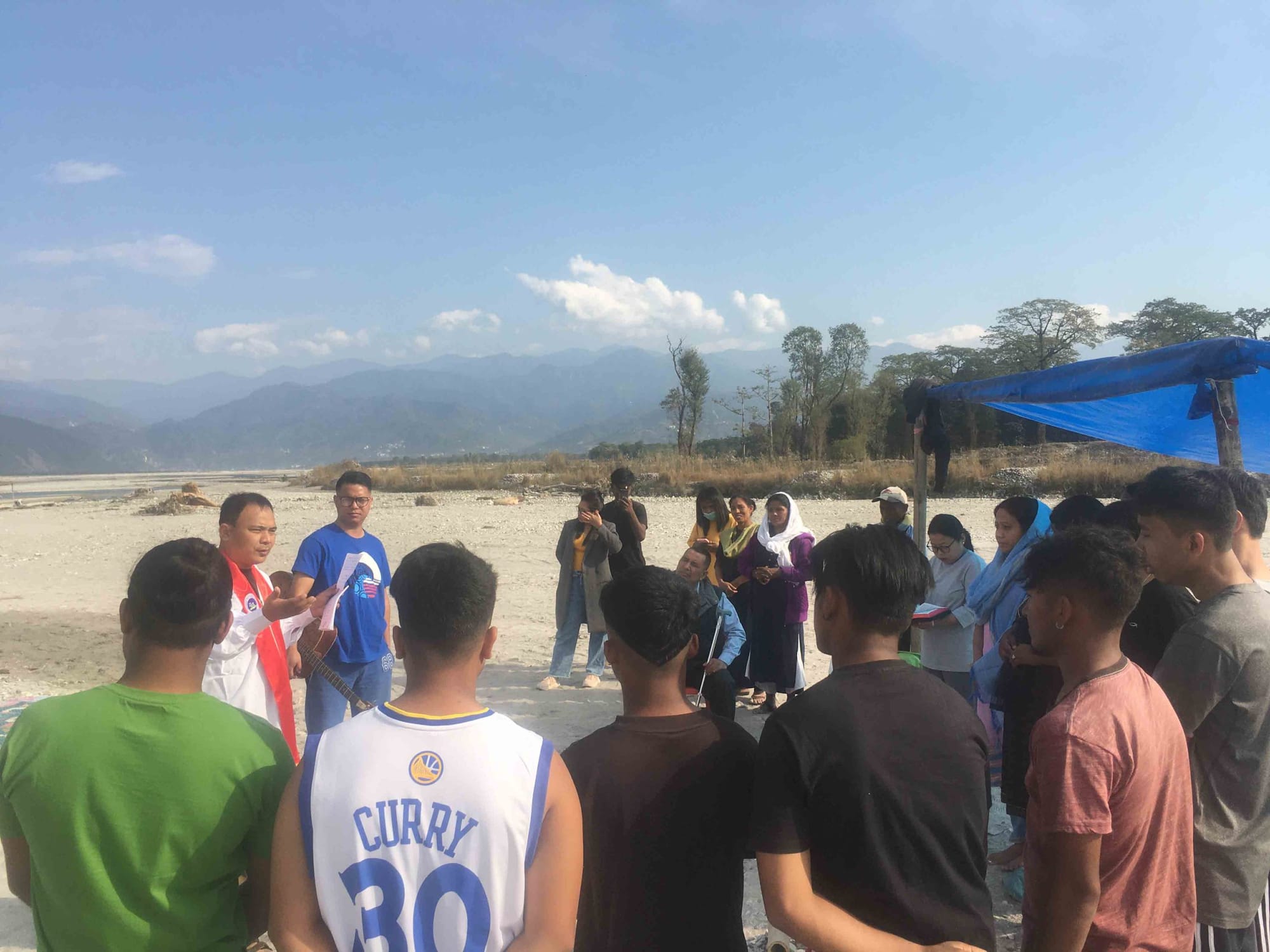
The Himalayan Free Church, a network born out of Finnish mission work in the mountain regions of India, has grown to 121 congregations and between 7,000 and 8,000 members — and it has done so while becoming financially self-sustaining. In 1972 the network counted just four congregations and around 300 members. Its growth has continued even after a 2019 regulatory decision cut off official foreign funding.
For decades the church — formally independent since the 1970s but still something of a “church child” of its Finnish parent — had relied on support from the Finnish Free Church (SVK) for worker salaries and building projects. Nanna Rautiainen, SVK's mission director, whose first overseas trip in 2015 was to the church's annual meeting in India, recalls board members saying that because the money came from Finland, the Finns would decide what the church did. Then, in November 2019, Indian authorities revoked the church's FCRA licence to receive foreign funds over accounting irregularities, and the licence was never restored.
Rather than collapsing, the church has flourished. Rautiainen says the number of congregations and new Christians has multiplied, and — most encouraging of all — the church now carries its own vision that every congregation and every believer should be a sender. It has set a goal of sending 10 to 15 new full-time missionaries and expanding into new areas by the end of the decade, supported by an emerging structure of mission coordinators, finance and communications teams, and prayer networks. Its leaders now emphasise transparency and accountability, and the guiding vision is simple: every congregation is a mission congregation, and every believer is a witness.
(Originally published in Finnish. Summary translated by CC / Connexion.)
Source: Suomen Vapaakirkko / Suomen Viikkolehti — svl.fi


