
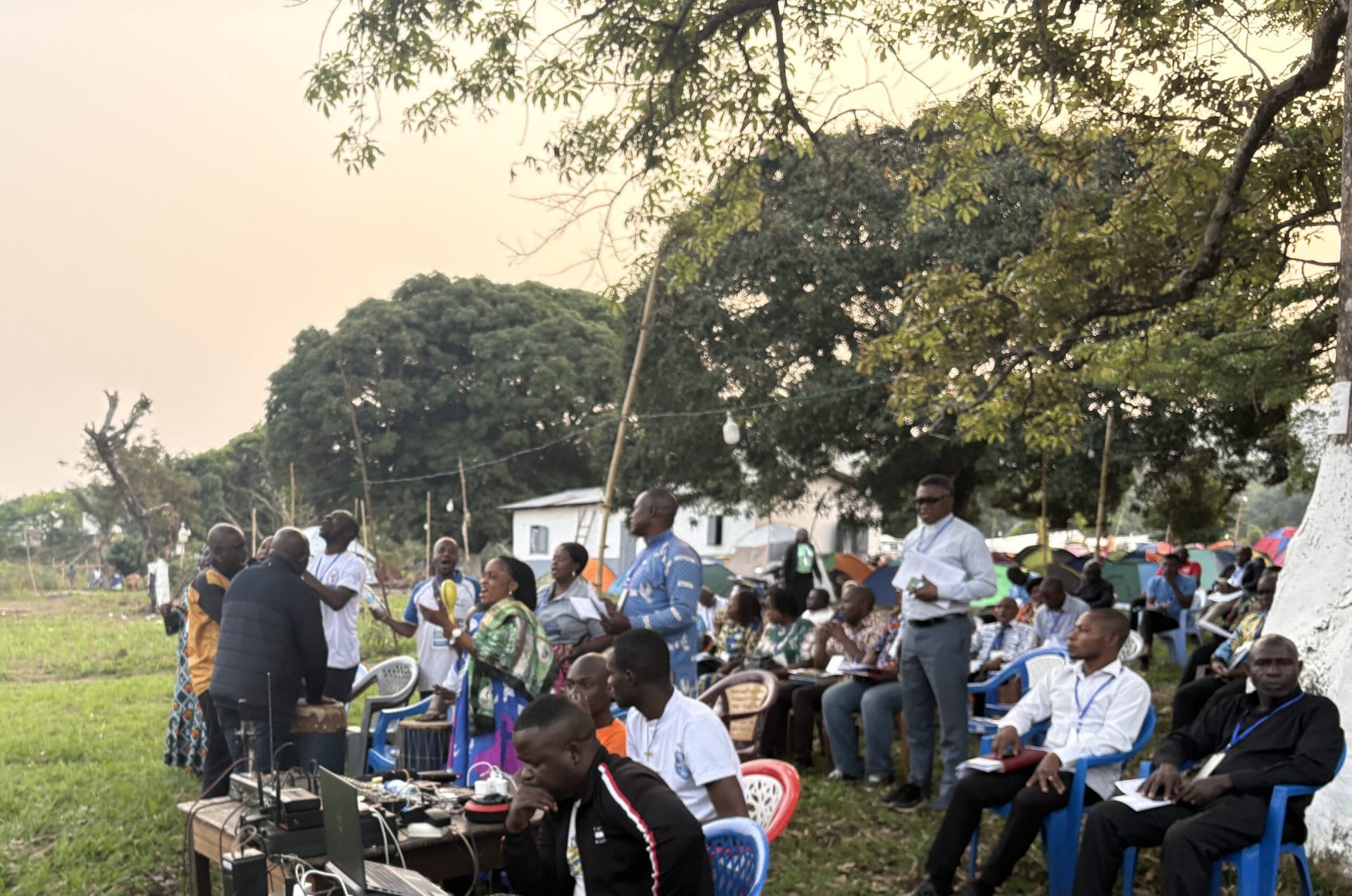
An evangelical church in the Republic of the Congo has adopted binding rules on the practice of exorcism, after its leadership was shown film of a session in which a girl of eleven was treated in a way the missionaries who witnessed it described as a violation of the child. The decisions were taken at a conference for the country's pastors and evangelists held on 16–21 September 2026, which gathered around 350 pastors and gave five hours to debate on the subject. The film had been made in late July at the church's headquarters in Brazzaville by a missionary, Thomas, who documented the session and shared it with the church's leadership rather than keeping it to himself.
The leadership came to the conference prepared. Participants received a written paper setting out the problems the church associates with exorcism, together with discussion questions and concrete proposals for decision. The church, the account notes, sees serious difficulties of its own with individual pastors who commit abuses in God's name. Two questions framed the debate: how to respond to members who are convinced that someone is possessed and turn to a pastor for help, and how the church can keep its identity as a charismatic Congolese church without taking on traditional beliefs that can cause harm. The pastor who had led the session on the girl took part in the discussion, which those present described as factual and free of personal attacks.
Approved first in workshop debate and then adopted formally by the plenary, the rules ban all forms of sexual acts or nudity in connection with exorcism and forbid violence outright. Pastors may not charge for exorcism, and magical objects are said to have no place in the church. Medical knowledge is to go hand in hand with pastoral support; the use of medicinal plants is to be developed alongside therapy and prayer. Breaches carry zero tolerance: those who break the rules are to be dismissed and handed over to the justice system, and dedicated support is to be provided for victims. Training for serving and future pastors is planned, and a visiting psychiatrist who took part was invited to lecture on mental illness and to join support conversations for pastors. The dean of the theology faculty at the Protestant university, Flore Loupe, helped lead the conference, pastors Mayassi and Kimbembe chaired the discussions, and the church's president, Loko Elenga, addressed the gathering.
The missionaries wrote that they felt cautious optimism, describing the meeting as a turning point and expressing confidence in the church's leadership. They added that their own church in Sweden should speak clearly against harmful practices while remaining humble about the Congolese church's right to decide for itself, and that support for the training the church now intends to carry out will be needed. The account was published by Equmeniakyrkan, the Swedish free church whose workers serve in partnership with the Congolese church.
(Originally published in Swedish. Summary translated by CC / Connexion.)
Source: Equmeniakyrkan — https://equmeniakyrkan.se/ett-historiskt-ogonblick/


