
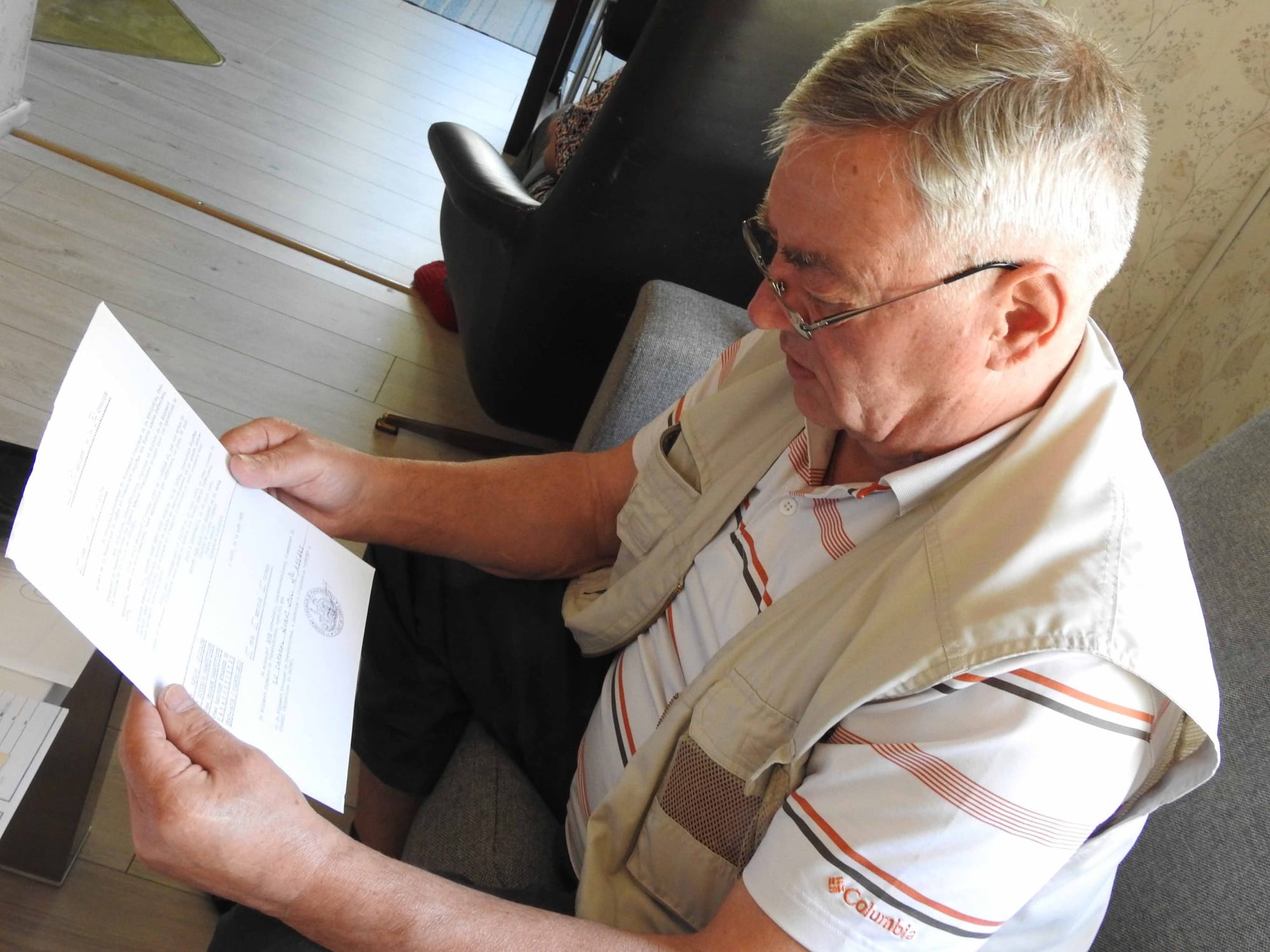
In 1987, in a Christian rehabilitation home in the small Finnish town of Parkano, a world-weary man knelt beside his bed and asked God to forgive his sins. That moment, Juhani Nokelainen says, was the culmination of a long preparation — and the beginning of a new life. Nearly forty years later, at 74, Nokelainen has never returned to the alcohol and substance abuse that once defined him, nor to the violence and chaos that marked his early decades. He is now a member of the Juupajoki Free Church, back in the region where he was born.
Nokelainen's route to that bedside in Parkano was anything but straightforward. His childhood fractured when his parents divorced; he was seven. A stepfather, himself an alcoholic, beat both mother and children. By his teenage years Nokelainen had moved to Turku to live with an uncle, qualified as a sheet-metal worker and welder, and begun a trajectory of heavy drinking that would follow him across borders — to Sweden, where he worked in a shipyard, and eventually into the ranks of the French Foreign Legion. By the time he reached his mother's recommended rehab programme, a previous attempt at detox in Tampere had failed and he was drinking or hungover through every shift at work.
What Nokelainen describes is not merely sobriety but transformation. Five years after his conversion he prayed for a wife and, he recounts, God led him into a marriage that has now lasted over three decades. The nightmares that haunted the early years of that marriage — legacies of his former life — have gradually subsided. "The Lord has preserved me so that I have never once relapsed," he says simply. For a little-known free church in rural Finland, Nokelainen's story is a quiet but powerful reminder that the gospel still reshapes the most unlikely lives — and that the local congregation remains the place where those lives find belonging and purpose.
(Originally published in Finnish. Summary translated by CC / Connexion.)
Source: Suomen Vapaakirkko / Suomen Viikkolehti — svl.fi


