
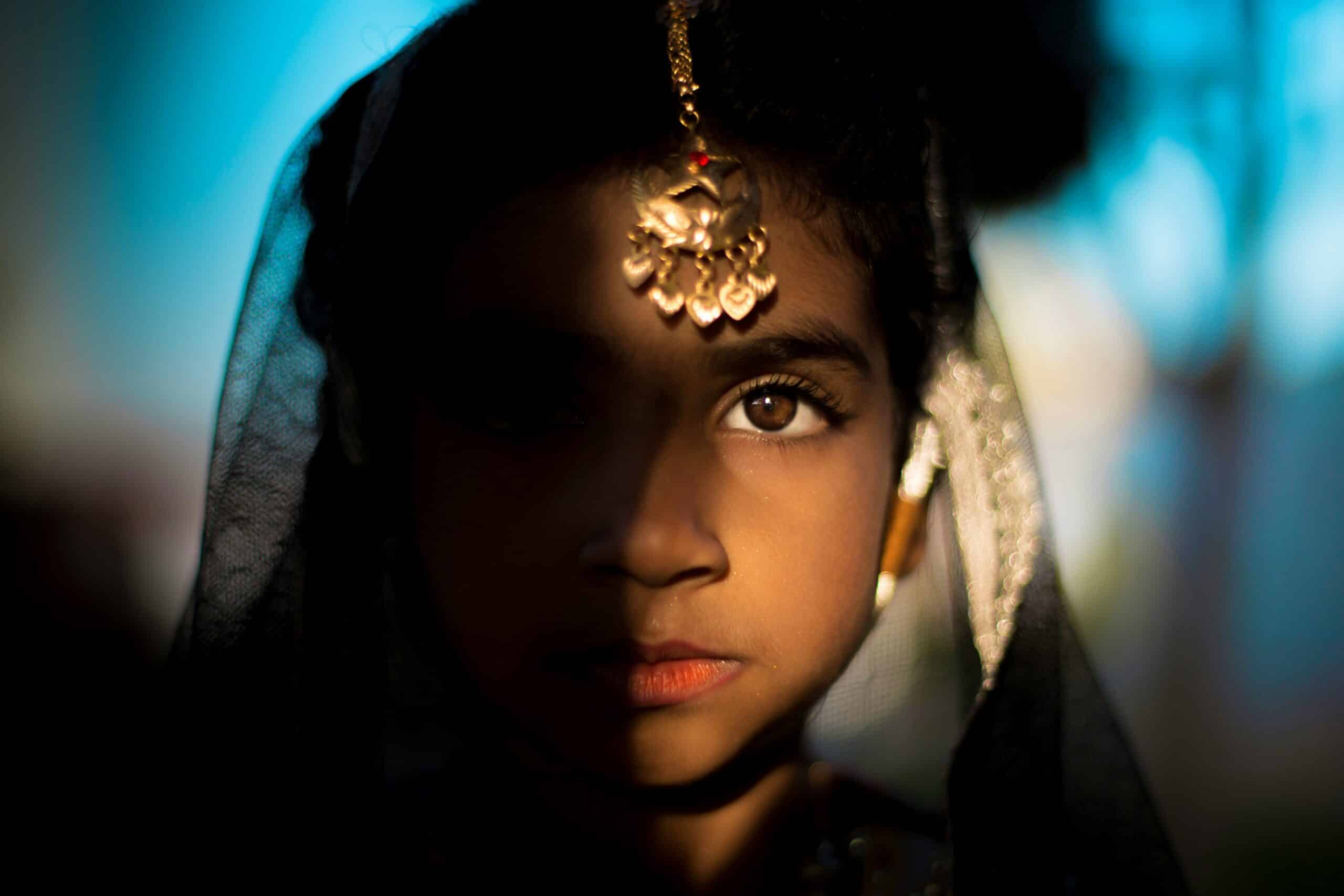
During the 62nd session of the United Nations Human Rights Council in June 2026, the World Evangelical Alliance (WEA) successfully advocated for the inclusion of language addressing forced religious conversion in a key resolution on child, early, and forced marriage (CEFM). The WEA's intervention came after it became concerned that the 2026 resolution, unlike the previous 2023 text, had omitted references to forced religious conversion as a factor contributing to forced marriage.
The Geneva-based WEA office, working in collaboration with other stakeholders, helped ensure that the final text acknowledged the reality facing girls from religious minority communities in regions such as South Asia and West Africa. In these contexts, girls have been subjected to abduction, forced conversion, and forced marriage — often to significantly older men — and face ongoing abuse and exploitation as a result.
UN Human Rights Council resolutions serve as important instruments for setting international norms and standards, providing a common framework for states to address complex issues. The WEA argued that for such resolutions to be effective, they must accurately portray situations in all their complexity. By securing language that connects forced religious conversion to forced marriage, the resolution now equips governments and advocates with a more complete tool for protecting vulnerable girls from religious minority backgrounds. The WEA's advocacy at the Council reflects its broader commitment to defending religious freedom and human dignity at the highest international levels.
Source: World Evangelical Alliance (WEA) — worldea.org


