
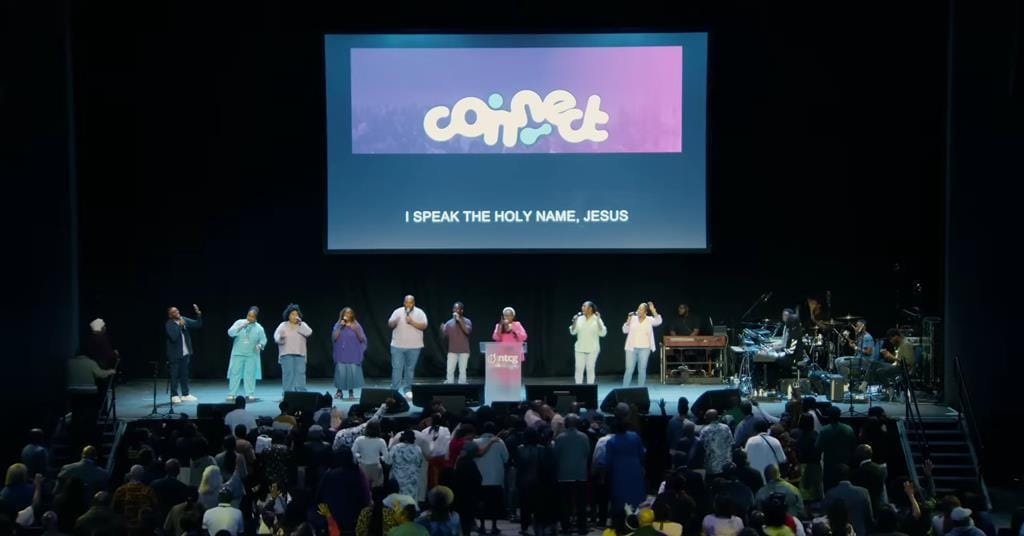
Before worship could begin, the room had to be scrubbed. On Sunday 20 September 1953, seven Caribbean Christians gathered at the YMCA on Stafford Street in Wolverhampton for the first public service of what would become the New Testament Church of God in Britain. The room was normally used for smoking during social functions, and before anybody could pray, preach or sing it had to be cleaned and disinfected. The building was borrowed, writes the historian Lee Brickley in Premier Christianity, but the faith was not.
The seven remembered from that first public gathering were Oliver and Rose Lyseight, Herman and Margaret Brown, Chloe Salmon, Gilbert Peddie and Cyprian Dundas. Oliver Lyseight had been born in Claremont, Jamaica, in 1919 and raised in the Methodist tradition before encountering the Church of God as a teenager; he began ministry in 1941 and became a licensed minister five years later. He married Rose in 1947, and when they came to Wolverhampton in 1951 they arrived with years of Christian formation behind them and a conviction that faith was something to be lived, shared and put to work. The Stafford Street service grew out of prayer meetings already taking place in local homes, where Caribbean Christians found one another and began shaping a worshipping community.
The context matters. Postwar Wolverhampton offered work and the possibility of building a new life, but migration also meant distance from parents, siblings, neighbours and the familiar networks that had once made ordinary difficulties easier to bear, and many Caribbean arrivals encountered racism in housing, employment and daily life. In that setting dependable relationships offered a security that employment and accommodation alone could not. Brickley is careful about the order of things: the congregation answered a social need because it answered a spiritual one first. This was not welfare work with religion added afterwards, he writes, but Christian fellowship becoming practical, as spiritual, social and economic needs were met within the same network of care. Its members wanted a form of worship in which preaching and prayer belonged alongside testimony, music and the active participation of the congregation — carrying a mature religious tradition into a new country and creating somewhere it could be practised, passed on and allowed to develop.
Growth followed. On 18 June 1955 the Wolverhampton and Handsworth fellowships were formally established as the first two New Testament Church of God congregations in Britain, with 25 members in Wolverhampton and 40 in Handsworth, and as Caribbean families settled in other towns and cities congregations followed in Walsall, London and elsewhere. Oliver Lyseight became the denomination’s first national Administrative Bishop, serving until 1978. Rose Lyseight stood within the work from the beginning, travelling on preaching missions, managing the choir that accompanied their ministry and becoming an important figure in its work among women — a reminder, Brickley observes, that a church does not grow only from the pulpit. Lyseight also helped found the Afro-West Indian United Council of Churches, ensuring that a movement which had created space for Caribbean Pentecostal worship did not retreat from the wider Church but entered its conversations. At the unveiling of his blue plaque in Wolverhampton in 2013, the Revd Eric Brown remembered him as “a bold, confident and courageous leader” who “could see potential in ordinary people and provide opportunities for them to fulfil their purpose”. Today the New Testament Church of God reports 110 churches and more than 30,000 adherents across England and Wales. It began, Brickley writes, with seven people scrubbing the smoke from a borrowed room — and what they built did not simply find a place within British Christianity. It helped reshape it.
Source: Premier Christianity — premierchristianity.com


