
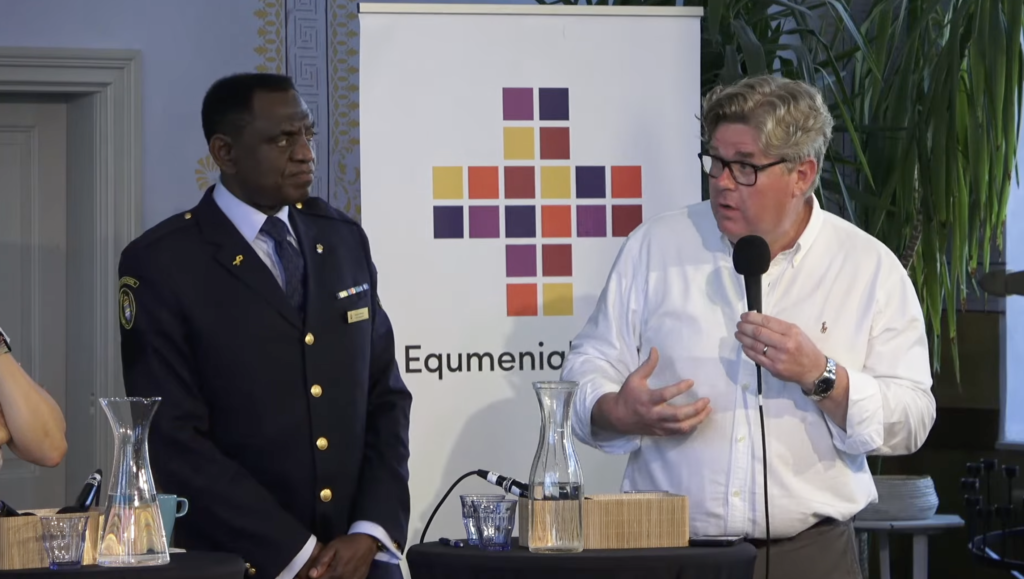
At Sweden's Almedalen political week, a seminar organized by Equmeniakyrkan (Uniting Church of Sweden) and Studieförbundet Bilda drew urgent attention to a question often overlooked in the debate on youth crime: what happens to children after they leave prison? As Sweden prepares to receive inmates as young as 14 into the adult correctional system, the discussion focused not on tougher sentences but on the role of churches, faith communities, and civil society in helping young offenders rebuild their lives after release.
Olle Jonasson, a prison chaplain at Sollentuna detention centre and a pastor within Equmeniakyrkan, was among the panellists. He described the shock and trauma young detainees experience upon incarceration, and stressed that what they need most are "safe adults" — the same thing they needed long before they entered the system. The seminar highlighted the work of NAV (Nämnden för andlig vård), Sweden's council for spiritual care in correctional facilities, where pastors, priests, imams, and other spiritual caregivers meet with inmates under confidentiality protections that allow conversations no other institution can offer.
Swedish Justice Minister Gunnar Strömmer called the spiritual care provided through NAV "an indispensable resource," noting that chaplains can do things "that are almost impossible for anyone else to do," particularly in the initial, disorienting days of detention. Jonasson urged churches to take far greater responsibility for reintegration: "The churches need to get into the game much more. Those who succeed are those who find new networks. The key word is belonging — if you don't get to belong to something, it's over." Kriminalvården (the Swedish Prison and Probation Service) is designing new units for young offenders with smaller groups of eight, embedded schooling, psychological support, and close cooperation with civil society organisations. The seminar concluded with a challenge to every organisation and faith community in the room to consider what they can offer a young person on the day they walk out of prison.
(Originally published in Swedish. Summary translated by CC / Connexion.)
Source: Equmeniakyrkan / Sändaren — sandaren.se


