
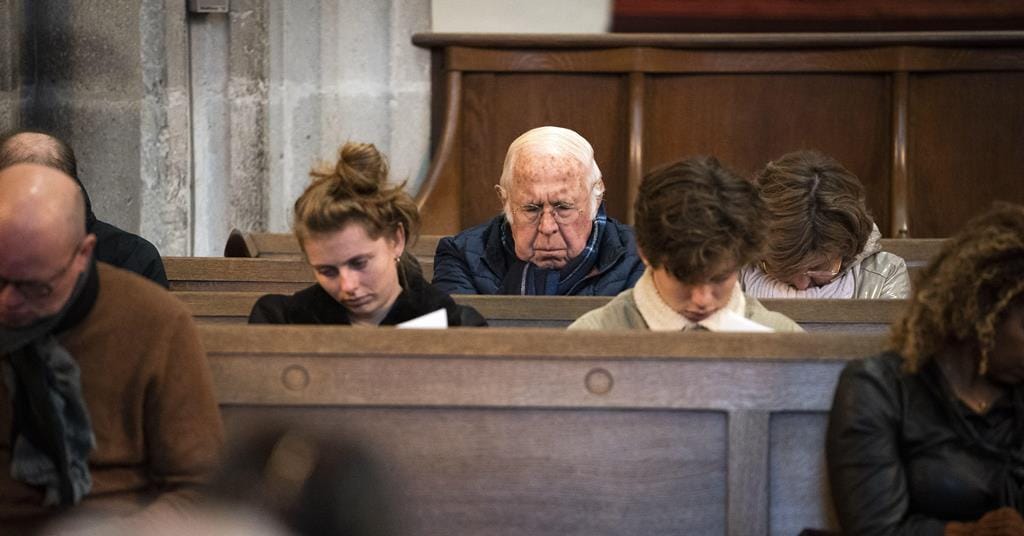
A British church leader has described in public what happened when his congregation stopped running almost everything it did. Writing in Premier Christianity, Derek Hughes recounts arriving as the leader of a small church and spending his first months listening — over coffee, on walks, at kitchen tables — asking members why they had joined and what they thought was actually happening. What surfaced again and again was exhaustion. The church's midweek children's work, run for years to reach local families, was permanently short of volunteers, and those still on the rota were carrying it alongside demanding jobs and heavy family responsibilities.
One conversation became the hinge. A woman studying part-time while working a demanding job told him the ministry would fold without her, that the children who came had nowhere else to go, and asked who would take her weeks. He replied that if the church did not have the people, it would not run it. "You mean we don't have to do this?" she said — a question he writes he has thought about more than almost anything else said to him in ministry, not because it was wise but because of the relief in it. Another member had dreaded his visit altogether, raising a child alone and working a job that followed her home, assuming a new leader would come asking for more. Hughes names the pattern bluntly: "We had built a machine that ran on volunteers and produced tiredness. Everyone could see it. Nobody could say it" — because saying it sounded like giving up on children, or on mission, or on God. So the church stopped.
What remained was Sunday morning and a midweek gathering for discipleship. Nobody left and nothing collapsed, he writes, but he found the change harder than the congregation did: with no noticeboard and no weekly timetable, he began to dread the question "So what have you got going on?" and to feel, sitting among other leaders discussing their youth work and toddler groups and meals for older people, like "a man faking the title of church leader." The admission he draws from it is the heart of the piece: "I'd assumed I believed church was people. I discovered I believed church was activity." The two, he says, had been indistinguishable for so long that he had never had to choose between them.
The work that replaced the programmes was, in his description, helping people work out how to follow Jesus inside the lives they already had. He offers one example: a man who worked seven days a week wanted to be the person who collected his daughter from school, brought it back to the midweek gathering four times before anything shifted, and took most of a year to change — and still slips back. It was slow, largely invisible, and produced nothing that could be displayed on a noticeboard. When Hughes confessed his unease to another leader over lunch, saying he could no longer tell whether the church was being faithful or simply failing with better language, the man asked what they actually did on a Wednesday night. Hughes told him. "Isn't that the thing?" the leader replied. Hughes changed the subject.
The question he leaves open — what makes a church a church — is a long-standing one in traditions that locate the church in the gathered congregation and its discipleship rather than in an institution or a programme of activity. Hughes does not claim to have settled it. He still reaches for a timetable when a new family visits, and says the instinct has not died, only been named, which he notes is a different thing. He ends with the woman from that first conversation: "I'm still not sure what makes a church real. But I know she needed someone to tell her she could stop."
Source: Premier Christianity — premierchristianity.com


