
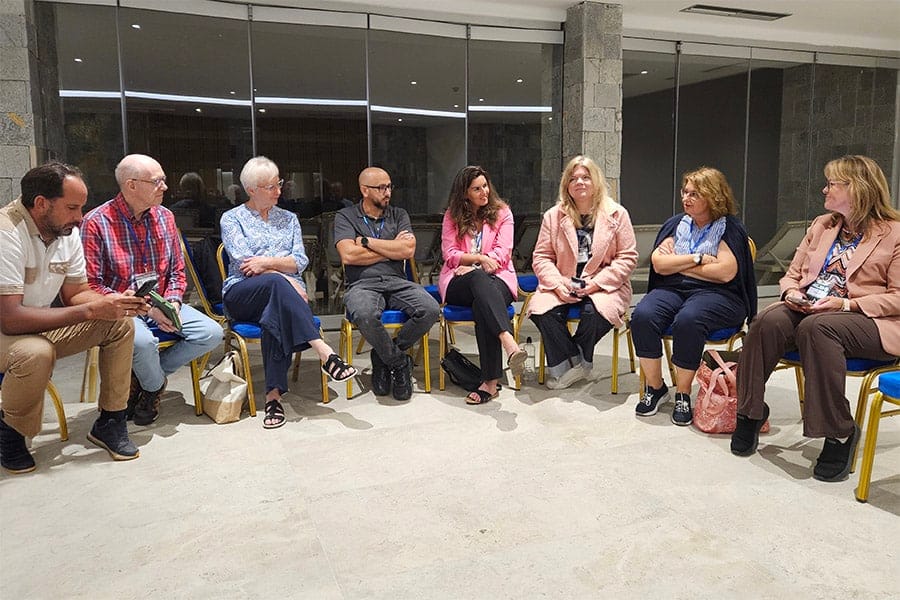
Parents have far more influence on their children’s faith than most of them realise, speakers told Hope for Europe 2026, the European Evangelical Alliance gathering held in Golem, Albania, from 5 to 9 October. Jo Haaijer of Reaching Europe’s Children presented findings from OneHope’s Global Youth Culture study, based on responses from 8,394 teenagers in 20 countries. Among young people in the European Union, 53% named family members as their main source of guidance on right and wrong, and 41% on the meaning of life.
The gathering brought together participants from across Europe, with HOPE Labs on parenting, gender identity and marriage and separate streams organised by the European Disability Network and the Roma Network. Children and families were at the centre of many sessions, and speakers said the gap between parental influence and parental confidence ran through all of them. On questions of gender and sexuality, the research found that social media and friends had more influence than family. Faith practised at home made a clear difference: among teenagers whose parents read the Bible with them, 67% read it at least weekly, against 10% among those whose parents did not.
A separate survey of 2,051 parents found that only 30% believed they had a great deal of influence in their child’s life. Two-thirds said they were primarily responsible for their children’s faith development, but only 24% felt they were in a good place in faith-related conversations with their children. Haaijer urged church leaders to help anxious parents slow down: “Their first responsibility is not to win an argument. Their first responsibility is to remain their parent.” In the disability stream, led by Martina Köninger of PerspektivForum Behinderung, participants said family can be a child’s strongest support — or the place where a child with disabilities is hidden.
Source: World Evangelical Alliance (WEA) — worldea.org/parents-childrens-faith-hope-for-europe-2026/


