
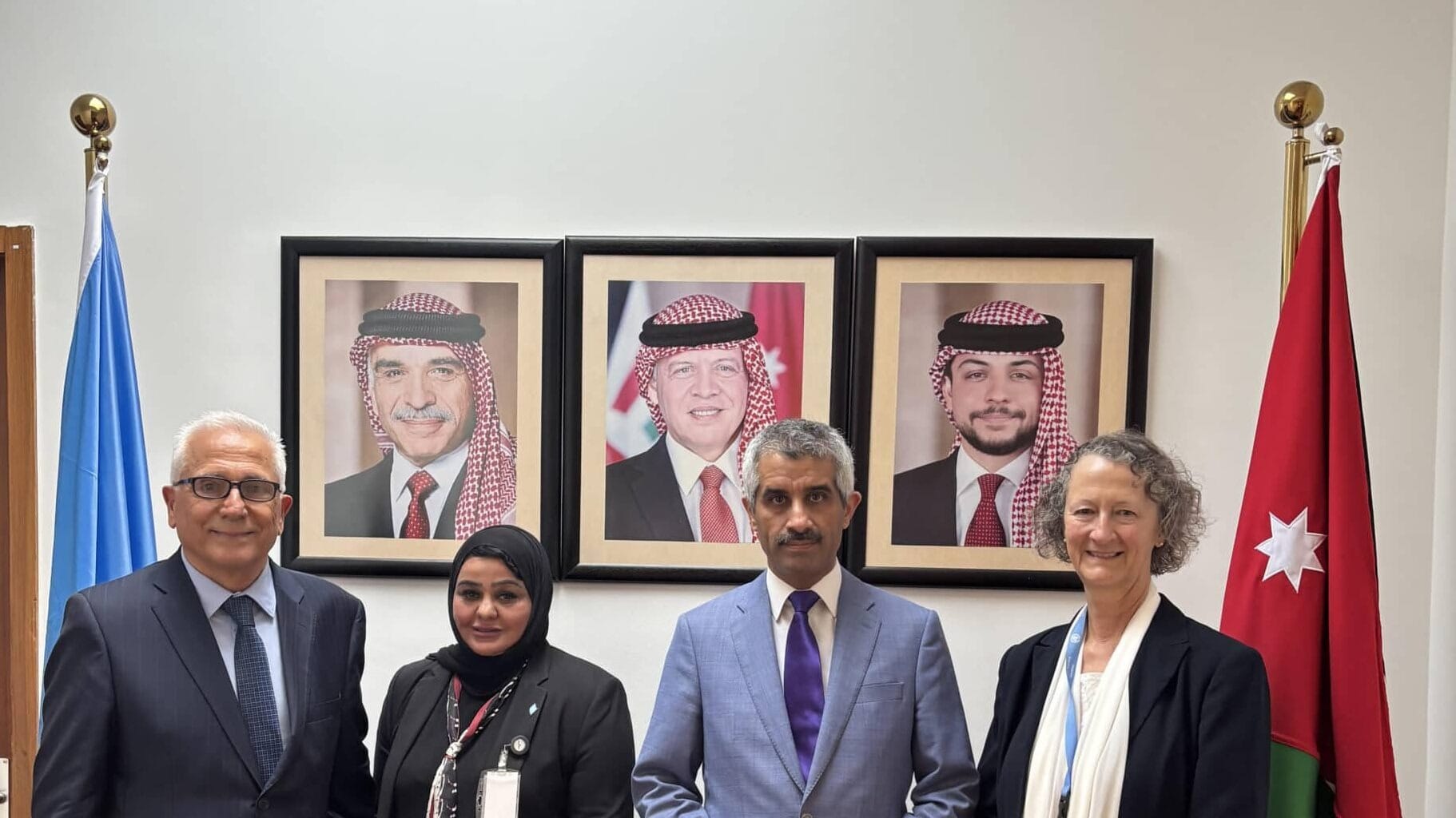
A delegation from the World Evangelical Alliance (WEA) met with Jordan's Ambassador to the United Nations in Geneva on June 26, welcoming recent initiatives by the Jordanian government to strengthen the legal rights of the country's Christian minority. The meeting highlighted proposed amendments that would affect Christian family law, including inheritance and adoption — areas of long-standing concern for the Christian community in the Hashemite Kingdom.
Jordan has long been recognized as a relatively stable environment for Christians in the Middle East. While a small minority, the Christian community enjoys legal recognition, representation in parliament, and a tradition of interfaith coexistence. The WEA maintains a permanent Geneva office focused on United Nations engagement and advocacy for evangelical Christians globally, making diplomatic meetings of this kind a central part of its work.
The WEA delegation included Rev. David Rihani, Director of the MENA Regional Office and Deputy Secretary General for the Middle East and North Africa; Ms. Njoud Aldeqes, Executive Director and International Relations Lead for UnASDG; and Prof. Dr. Janet Epp Buckingham, Director of the WEA Geneva Office to the UN. Ambassador Akram Saud Haraasheh extended a warm welcome and emphasized Jordan's commitment to promoting biblical tourism as a bridge between cultures, as well as the importance of peacebuilding through dialogue, cooperation, and mutual understanding. Rev. Rihani expressed appreciation for proposed amendments that would allow Christians in Jordan to prepare legally recognized wills in accordance with their faith traditions and to facilitate the legal adoption of Christian children by Christian families. "These proposed changes address long-standing concerns within the Christian community," Rihani noted. "They offer greater assurance and flexibility for families seeking to honour their convictions in matters of inheritance and family life."
Source: World Evangelical Alliance (WEA) — worldea.org


