
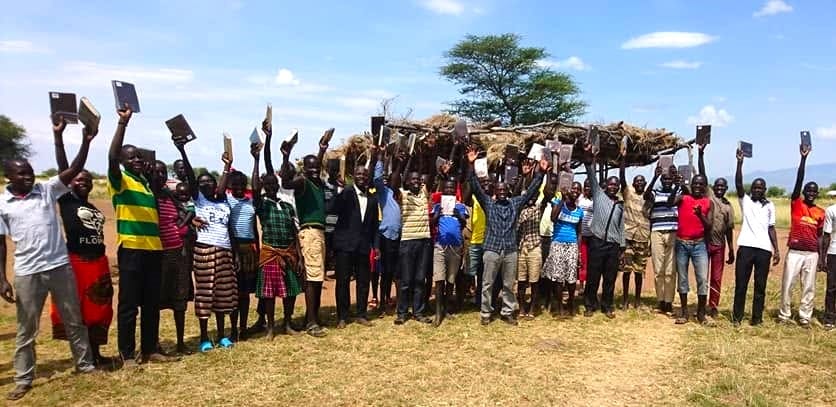
In May 2026, Worldwide Evangelical Seminary (WWES) published a working whitepaper titled Long-Lost Spiritual Cousins: Connecting WWES-Birthed Church Movements in Africa with the Global Free Evangelical Family. The paper addresses a question that has been gathering urgency as WWES graduates have planted churches and initiated national movements across several African countries: where does this tradition belong in the wider Christian family?
Lehtonen's answer is that these movements — evangelical, believers'-church in their ecclesiology, congregationally governed, and committed to every-member ministry — share the free evangelical family's DNA even when they have never heard the family's name. They are, as the title puts it, "long-lost spiritual cousins" of the IFFEC fellowship, shaped by the same theological convictions through a different historical path.
The paper develops a conceptual orientation in three parts: what the free evangelical tradition is (rooting it in the SVK and FeG traditions, tracing the three renewal streams, explaining the primary/secondary distinction and believers'-church polity); what IFFEC is and why it matters for African movements; and why the free evangelical framework is particularly suited to the identity questions, doctrinal-debate challenges, and self-theologising aspirations of newly independent African churches.
The whitepaper proposes a three-stage initiative: country-level mapping of WWES graduate movements, continental coordination through a light African forum body, and eventual international engagement with IFFEC and its member federations. It is careful to insist that stages one and two must precede stage three: a continental body that engages internationally before doing its own internal homework "will not be in a position to engage as a genuine peer."
The paper closes with an invitation: to WWES graduates and movement leaders in Africa to say whether the conceptual orientation it describes resonates with their own experience — and to tell the author where it needs correction or what is missing.
Published May 2026. Provided by Worldwide Evangelical Seminary (WWES). The full paper is available on request from WWES.


