
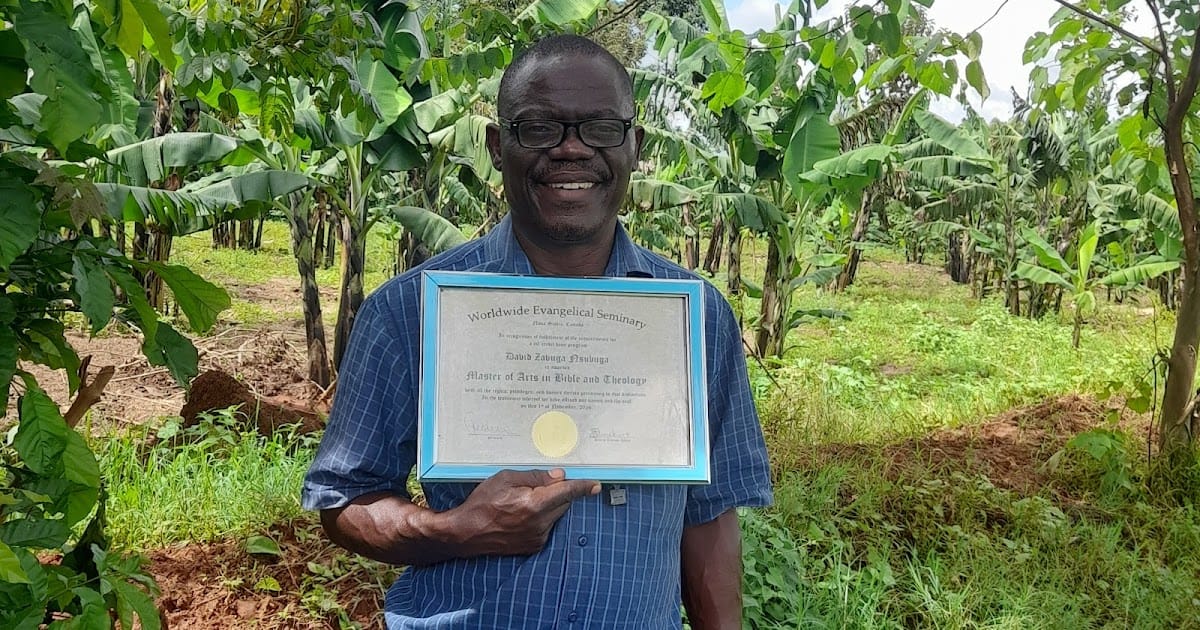
Eighty-five per cent of evangelical pastors worldwide have no formal theological education. In Africa, where Christianity has grown from 10 million to over 600 million believers in a century, a single pastor may serve thirty congregations across remote villages with no realistic path to a seminary degree. Meanwhile, North American graduates often carry $50,000 or more in educational debt and struggle to find ministerial positions. WWES describes this as a system of "theological abundance for declining churches and theological famine for growing ones."
The residential campus model, he argues, was designed for state-church clergy in 19th-century Germany — not for the movements actually advancing the Kingdom today. Geographic displacement, economic impossibility, cultural alienation, and the artificial separation of learning from ministry are its characteristic failures. Lehtonen points to Theological Education by Extension (TEE) and ministry-integrated online platforms as the pattern the global church already needs — and in many places has already built.
Source: WWES Global Blog — Why Traditional Seminary Models Are Failing the Global Church


